
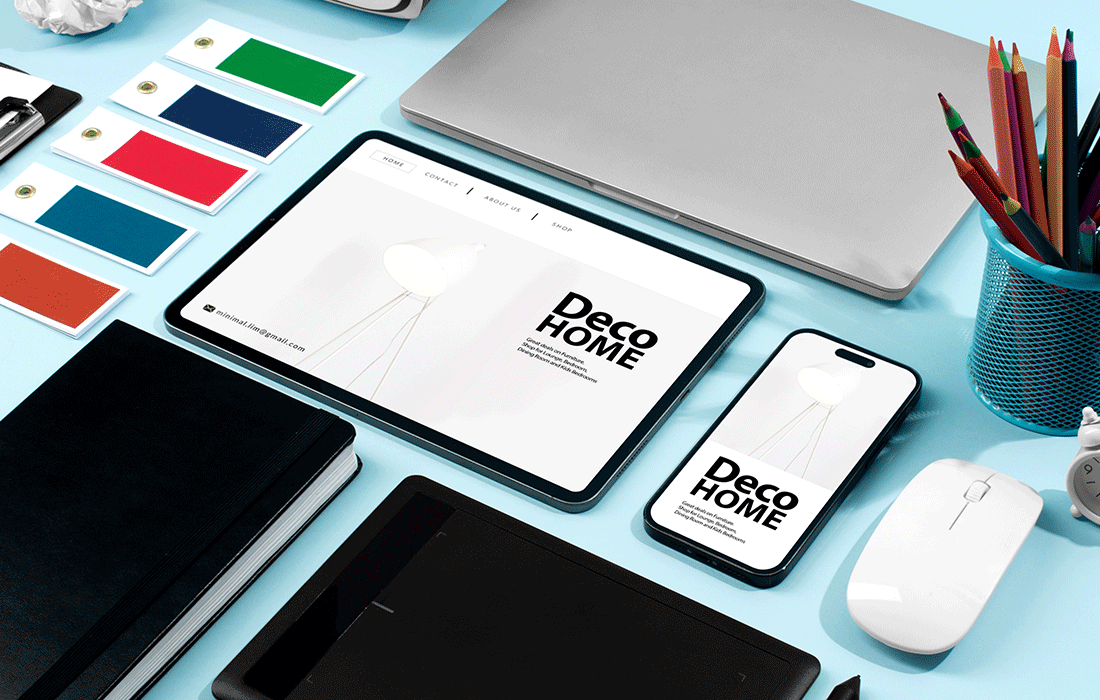
In the world of business and advertising, visual identity, logo, and brand are essential elements for building trust with the consumer audience. These elements play a vital role in defining a company’s or product’s identity and distinguishing it from others. Among these elements, the signature emerges as an important factor that connects the logo and the logotype, in addition to various types of logos used in visual identity design
1. Visual Identity:
Visual identity is the visual system that reflects a company’s or brand’s personality. This includes colors, shapes, typography, and any other visual elements used to represent the company in the market. Visual identity aims to distinguish the company from its competitors and make it easily recognizable by customers. The process of designing visual identity typically starts with the logo, which is then incorporated into various communication mediums such as buildings, cars, tools, print materials, and websites.
Visual identity helps express the company’s goals and attributes through careful selection of colors, building design, clothing, and even online platforms. It is an essential communication tool that aims to build a long-lasting relationship with customers and foster loyalty
2. Logo:
A logo is a symbol or design that represents a company’s or product’s identity. It is a key element in visual identity, capturing the company’s philosophy and values in a distinctive visual form. A logo may consist of an image, symbol, word, or letter, or a combination of these elements. The logo serves as a primary tool to build trust between the company and its customers, as the logo is often associated with product or service quality.
Key Principles for Designing a Successful Logo:
- Simplicity: The logo should be simple, making it easy to distinguish and remember.
- Clarity: It should be clear in size and color, whether in full color or black and white.
- Uniqueness: The logo should be distinctive and avoid resembling other logos.
- Color Harmony: The logo should use colors that are clear and complementary to catch attention.
3. Signature:
The signature refers to the organized relationship between the logo and the logotype or verbal tagline. Some applications allow the use of separate signatures, allowing the logo to be separated from the logotype when necessary. The signature can be horizontal or vertical depending on the context or application requirements. It is an integral part of visual identity, enhancing the connection between the logo and the company’s name or verbal tagline
4. Types of Logos:
There are various types of logos based on design style and the use of symbols or text. Some of the most common types include:
Dynamic Marks: A logo that can change depending on context or application.
Wordmarks: A logo based solely on text. Examples: Google, Nokia, Coca-Cola.
Lettermarks: A logo using the initial letters of the company’s name. Example: Unilever.
Pictorial Marks: A logo using an image or symbol that represents the brand. Examples: Apple, Twitter.
Abstract Marks: A logo using an abstract symbol that represents a concept or philosophy. Example: Nike.
Emblems: A logo that includes text within a specific shape. Example: IKEA.
5. Brand:
A brand is the name, term, design, symbol, or a combination of these elements, intended to identify the products or services offered by a company, distinguishing them from others. A brand is more than just a logo or name; it includes all the elements that contribute to shaping the company’s image in the minds of consumers
Importance of Branding:
Branding also serves as a way to evoke a particular impression in the consumer’s mind, through visuals, words, and names that convey a specific idea or product
A strong brand helps a company stand out in a crowded market, as customers form an emotional connection and trust in its products. Branding can influence a company’s success, whether it is a startup or an established product. A brand acts as a product’s identity card, and it is the means by which products are differentiated from other goods. It also helps build a long-term relationship with customers.
Conclusion:
Visual identity, logos, signatures, and branding are all essential elements in building a company’s image and enhancing its position in the market. Through these elements, companies can build strong relationships with their audience, fostering trust and loyalty. The signature in logo design represents the link between visual identity and branding, showcasing how these elements work together to achieve success